

Portfolio
Excess Baggage operated luggage storage, insurance, retail, and travel accessory services across 15 international airports and 18 rail stations.
As customer numbers and spend increased, the organisation committed to digitising its services to support a more coherent omnichannel experience.
The challenge was not introducing digital touchpoints, but ensuring that online services reduced friction in high-pressure, time-critical airport contexts while integrating cleanly with physical locations and operational systems.
Project context
Challenge
Several services relied on fragmented booking and operational flows. The online booking process for left luggage and storage, in particular, required unnecessary steps and fields, increasing interaction cost at moments when travellers were already under stress.
In parallel, new services such as remote baggage check-in, confiscated item return, and excess baggage handling introduced additional complexity across channels.
The core challenge was to reduce interaction cost for customers while maintaining operational clarity for staff across locations.


Process and method
Approach
Optimising the Booking Journey
The left luggage and storage booking flow was streamlined to reduce unnecessary steps and form fields, with a clear focus on speed, clarity, and predictability.
Key improvements included:
- Clearer progression through booking steps
- Reduced cognitive load during data entry
- Early visibility of pricing and storage duration
- Support for post-booking actions such as charge tracking and retrieval reminders
The goal was not only to improve usability, but to lower interaction cost at scale across multiple locations.
Service Blueprinting for Omnichannel Alignment
To support consistency across digital and physical touchpoints, I created service blueprints mapping frontstage user interactions, backstage staff actions, and supporting systems and dependencies.
In a security-constrained, time-critical environment like airports, service blueprints were essential to align customer-facing flows with staffing, logistics, and physical space constraints that could not be resolved at interface level alone.
This work exposed misalignments between customer expectations and operational reality, helping teams coordinate changes across departments rather than solving issues in isolation.
Solutions were typically piloted in a limited number of locations, validated against real operational constraints, and only then scaled across airports and stations.
Case study section
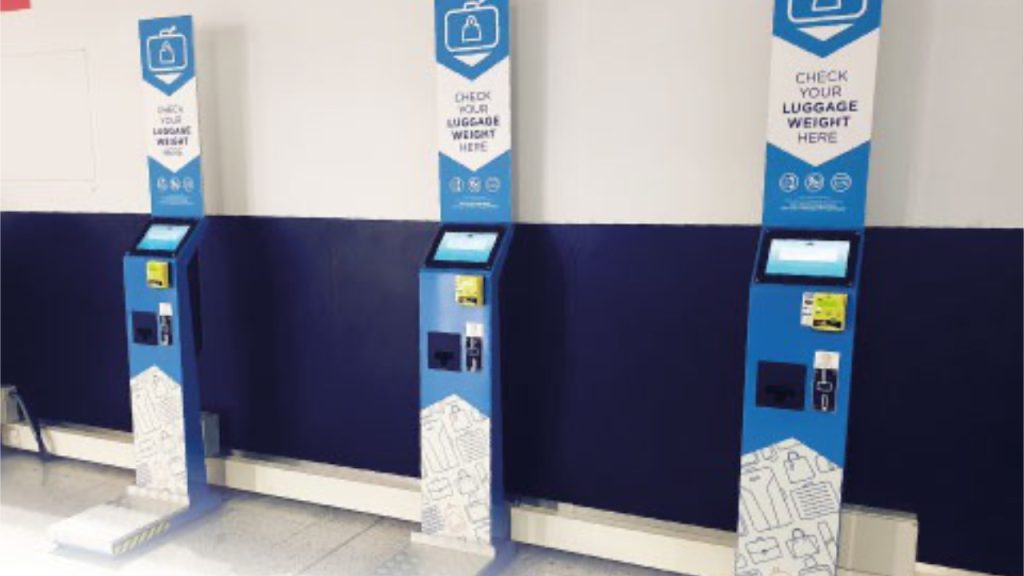
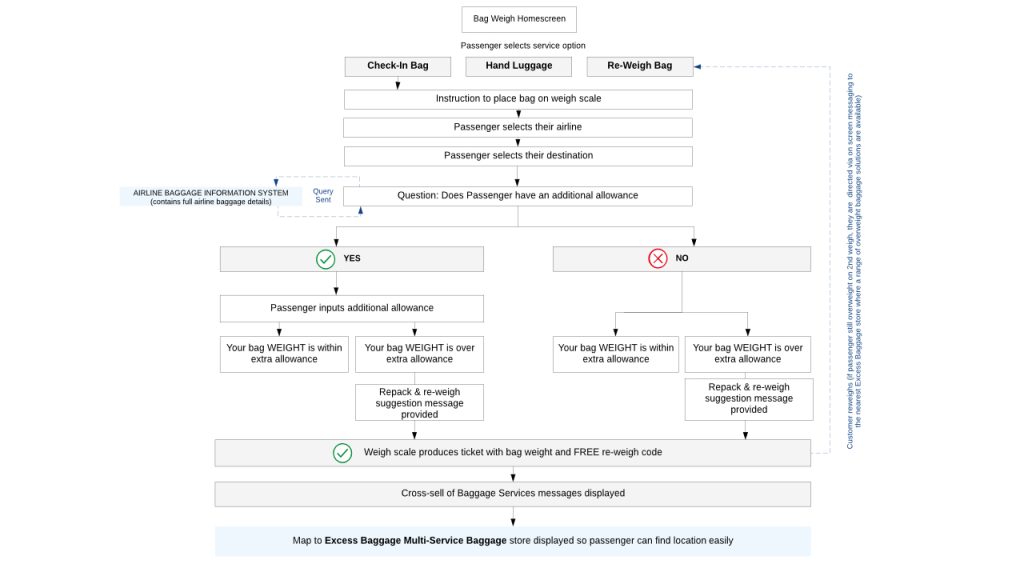
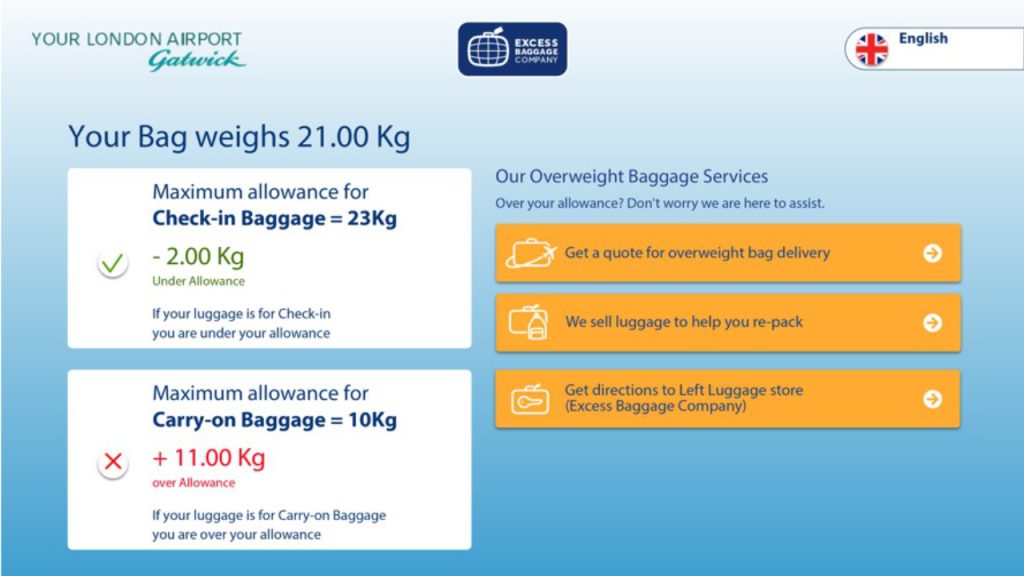
Luggage Weight Check
Problem to Solve
Passengers often face stress and inconvenience at the airport due to uncertainty about luggage weight, leading to unexpected fees and delays.
Benefit
- Save time and avoid unexpected fees
- Enhance the user experience through an intuitive, multilingual interface
- Offer a cost-effective service model for airports and airlines
Feature Set
- Precise weight measurement
- Multilingual support in 15+ languages
- Flexible payment options including NFC and coin payments
- Cross-selling opportunities for additional airport services
Case study section
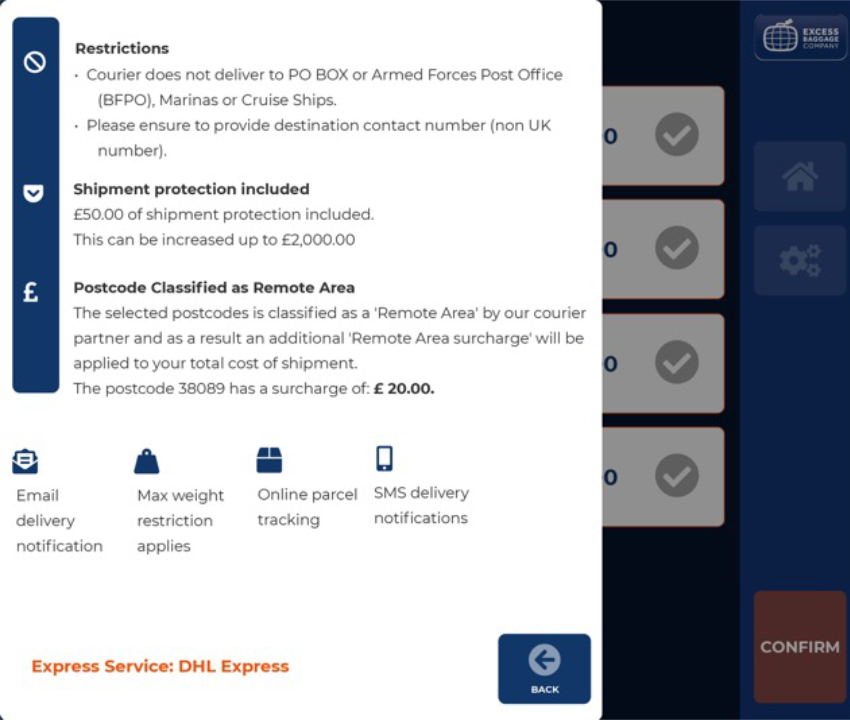
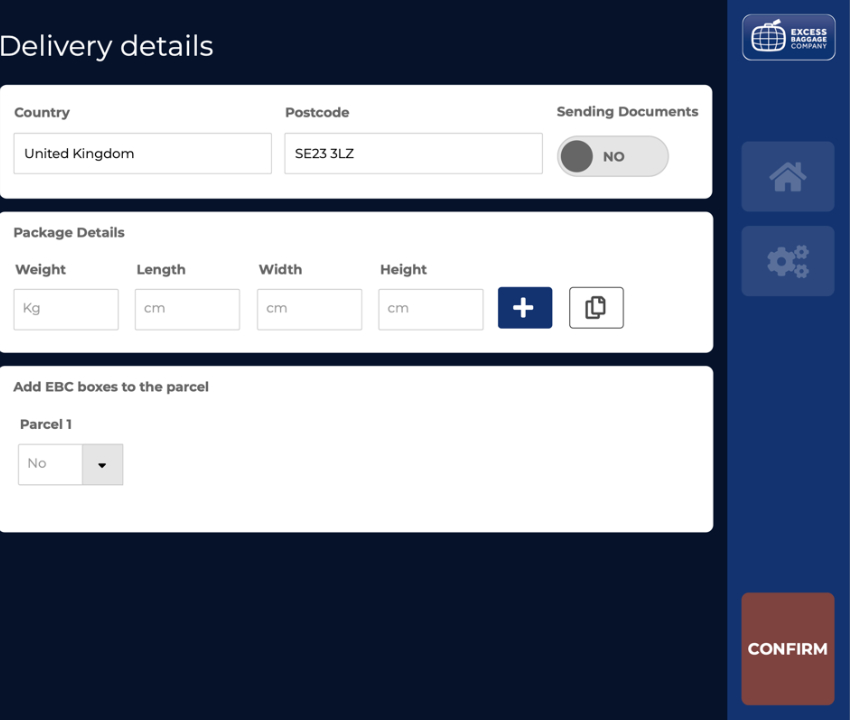
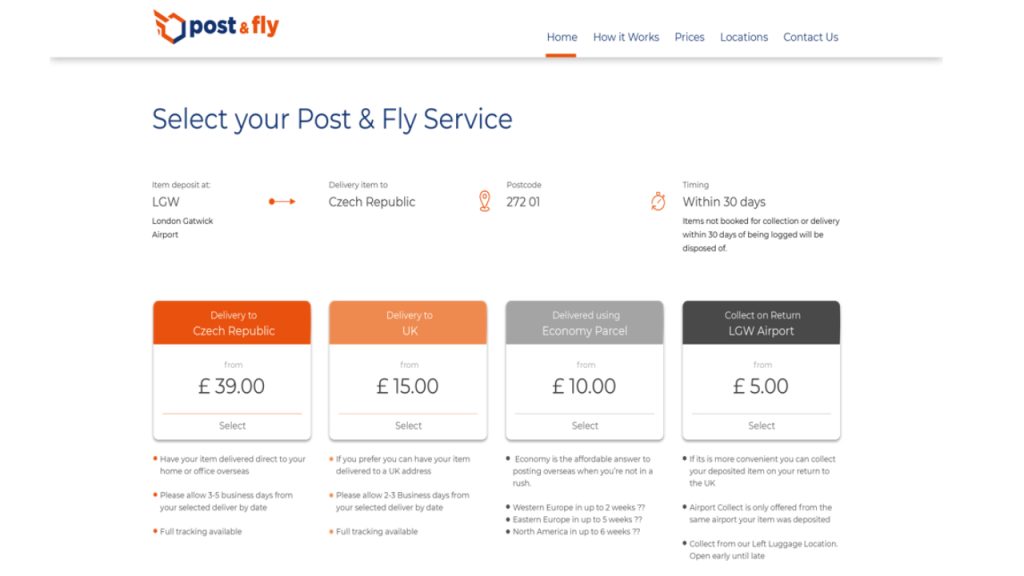
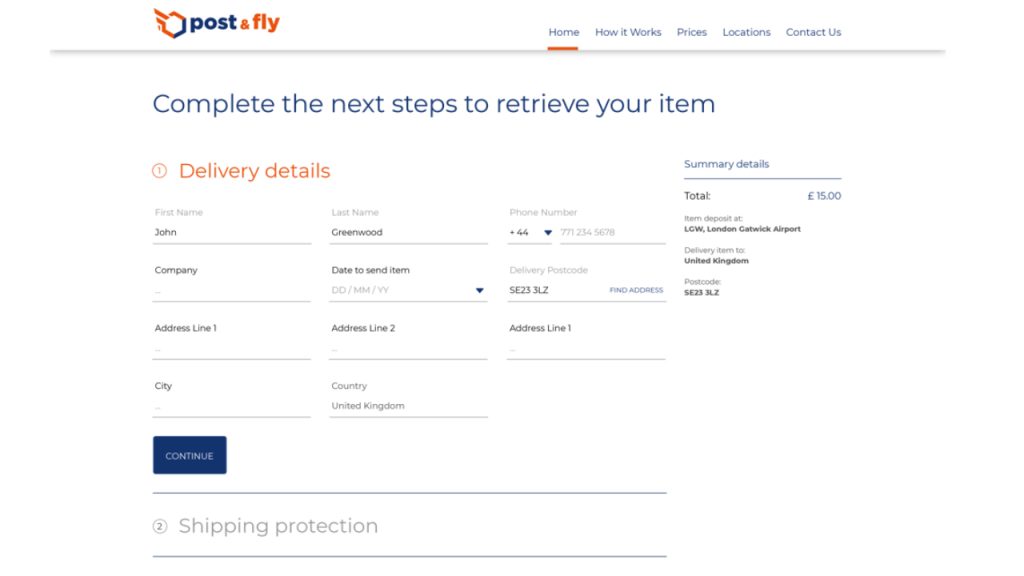
Post & Fly Service
Problem to Solve
Travellers rushing through airport security with prohibited or restricted items faced a difficult choice: dispose of the items or find a quick, reliable solution.
Desired Outcome
Post & Fly was designed to offer a seamless retrieval service through:
- A streamlined online portal
- Timely collection and processing by staff
- A transparent 30-day retrieval timeframe
UX Methods
- Empathy mapping
- User interviews
- Mental-model analysis
Case study section
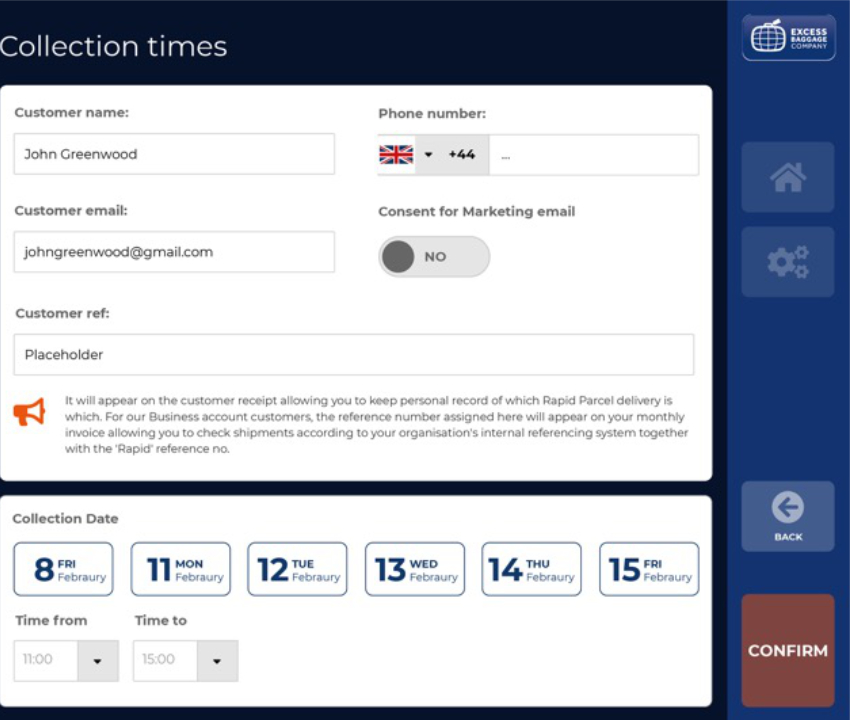
Operational Dashboards
Problem to Solve
In a fast-paced airport environment, fragmented dashboard experiences can lead to confusion, frustration, and decreased efficiency for both employees and customers.
Desired Outcome
- Unify the user experience across services
- Enhance employee productivity through clearer workflows
- Optimise for a fast-paced, time-sensitive environment